


Seabirds
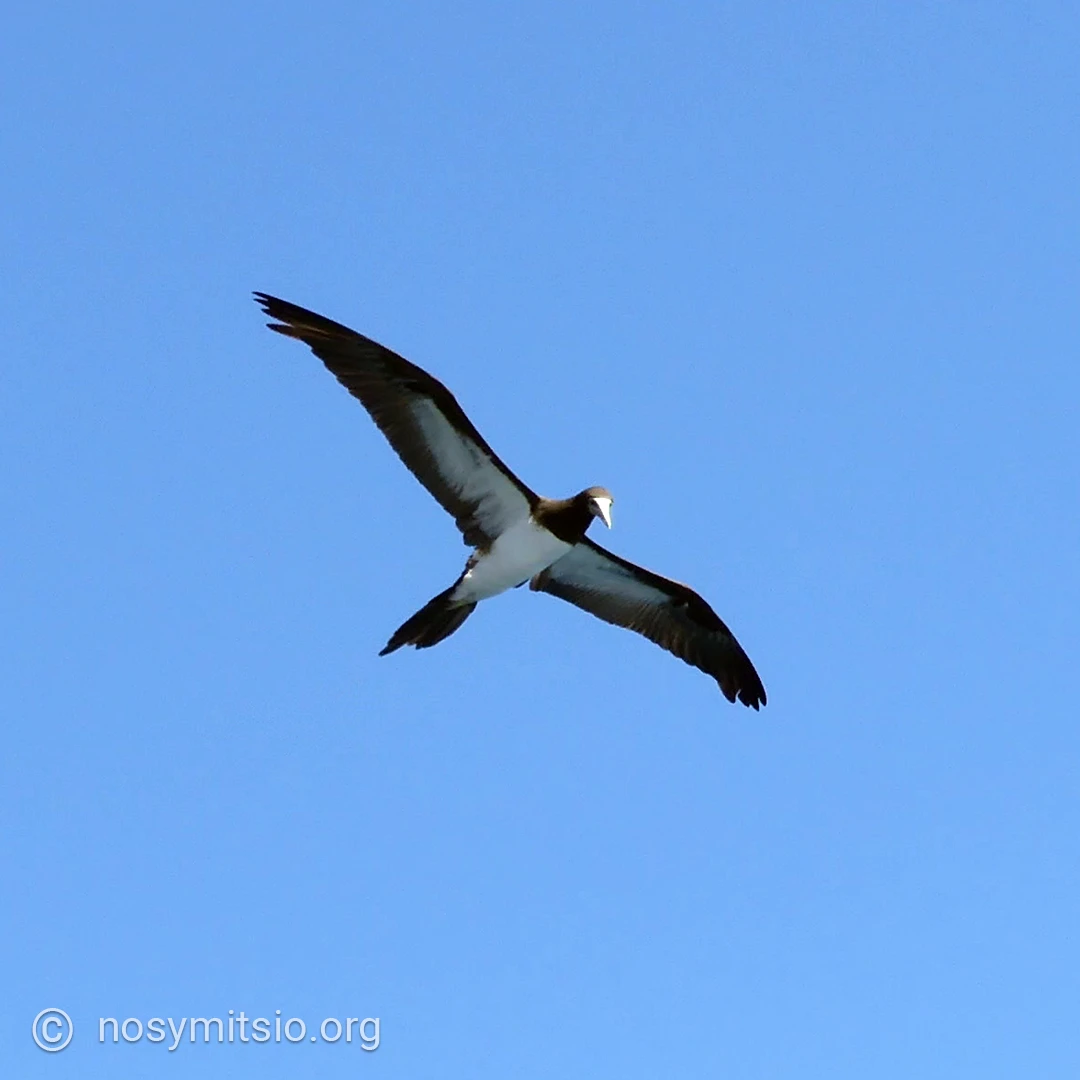
The Brown Booby
Sula leucogaster
The Brown Booby is found in the coastal waters of the archipelago. This pelagic species feeds by diving to catch flying fish and cephalopods, which are abundant in the waters around Nosy Mitsio.
The Fous are particularly visible around the Quatre Frères (Four Brothers), an iconic rock formation in the archipelago.
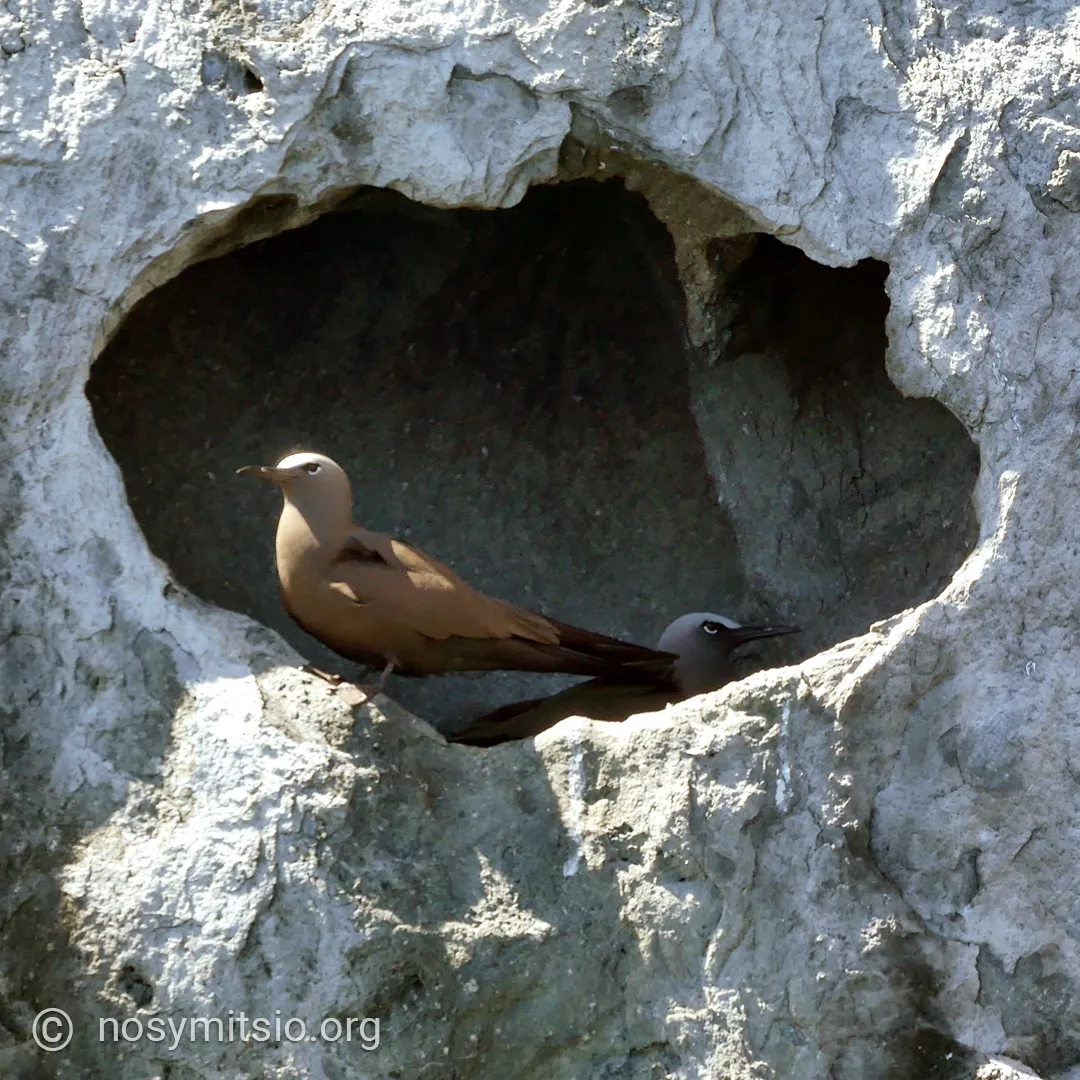
The Brown Noddy
Anous stolidus
It measures 40 cm with a wingspan of around 80 cm. Its chocolate-brown plumage contrasts with a pale lavender-grey crown that gradually lightens towards the forehead, whilst a white crescent highlights the eye. This pelagic seabird inhabits the tropical and subtropical regions of the three oceans, returning to land only during the breeding season. Unlike terns, which dive spectacularly from the air, the Brown Noddy catches its prey by gently skimming the water’s surface in a smooth flight, feeding mainly on small fish and cephalopods.
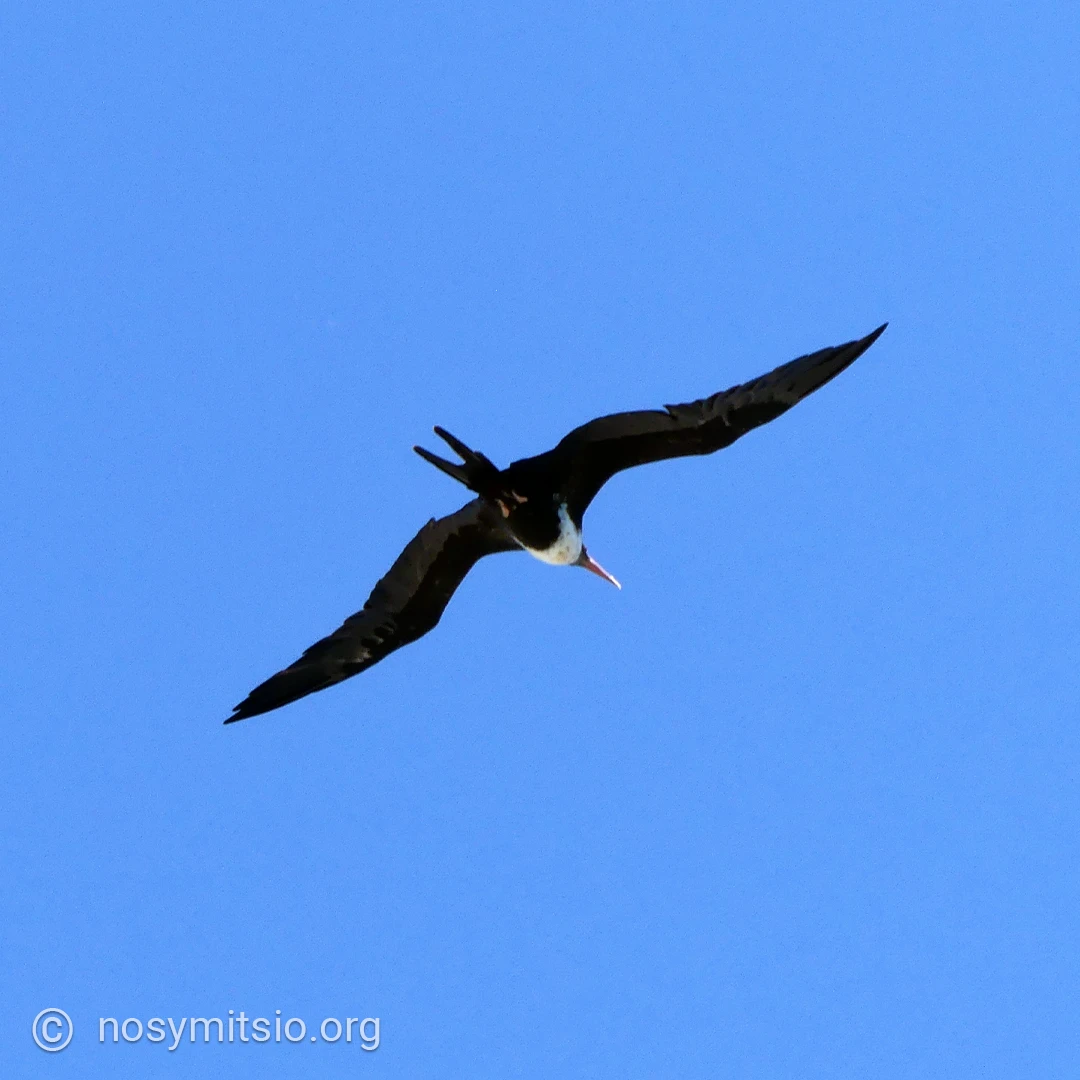
The Ariel Frigatebird
Fregata ariel
is the smallest species in the Frigatebird family, measuring up to 80 centimetres with a wingspan of between 150 and 190 centimetres. This pelagic glider catches flying fish and cephalopods at the surface without ever landing on the water, as its plumage is not waterproof. The species also practises kleptoparasitism, actively harassing other seabirds until they abandon their prey.
Males have entirely black plumage with a scarlet red throat pouch, which they inflate spectacularly during courtship displays, whilst females have a distinctive white collar on their breast. Breeding requires considerable parental investment: the young remain dependent for over a year, forcing the adults to breed only once every two years.
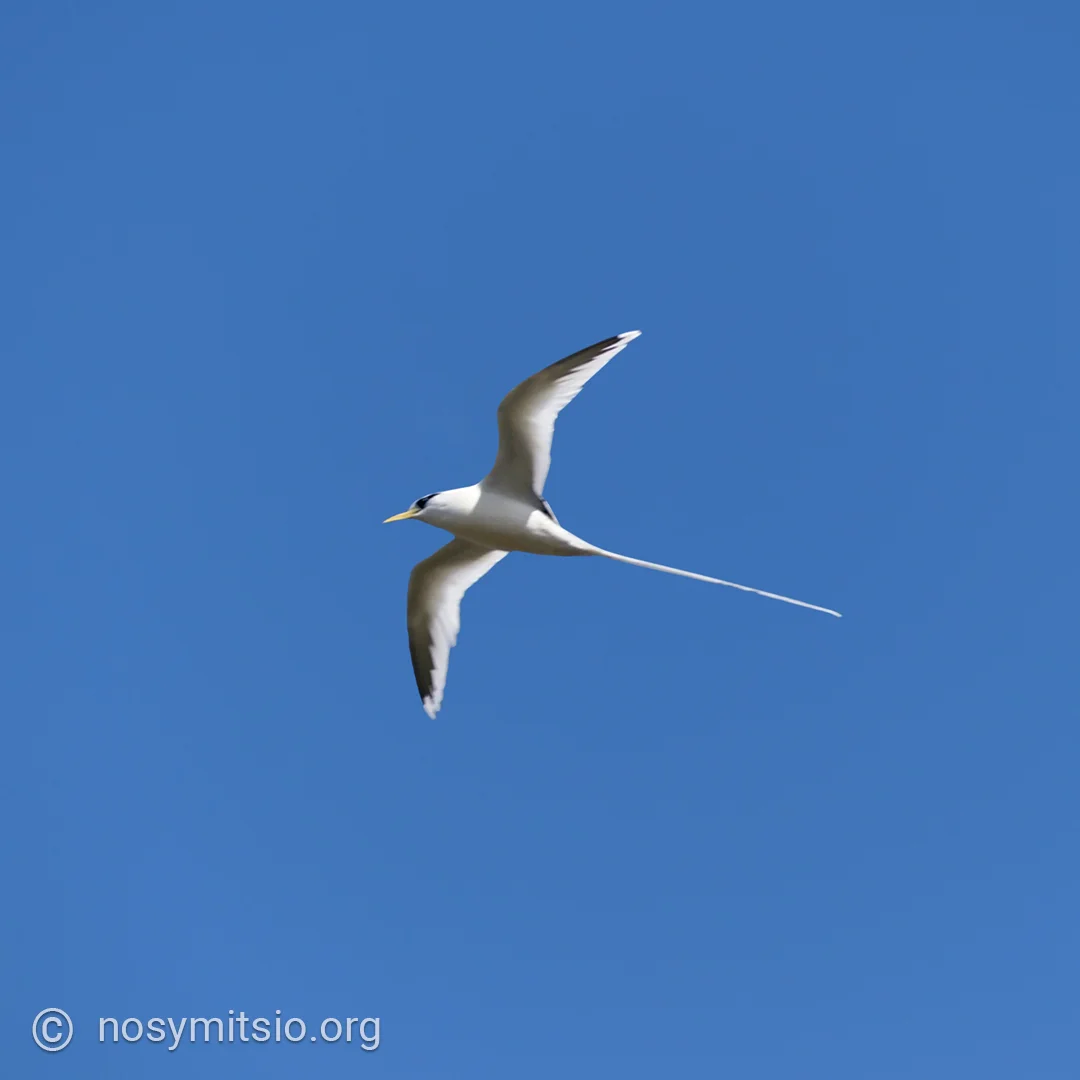
Yellow-billed Tropicbird
Phaethon lepturus
The Yellow-billed Tropicbird is the smallest species in the Phaethontidae family. Its immaculate white plumage contrasts with a black line across the eye and dark markings on the wings. Adults are characterised by two long white central tail feathers, which can reach up to 40 centimetres in length. Primarily pelagic, this skilful diver inhabits the tropical waters of the Indian Ocean and only visits rocky coasts during the breeding season.
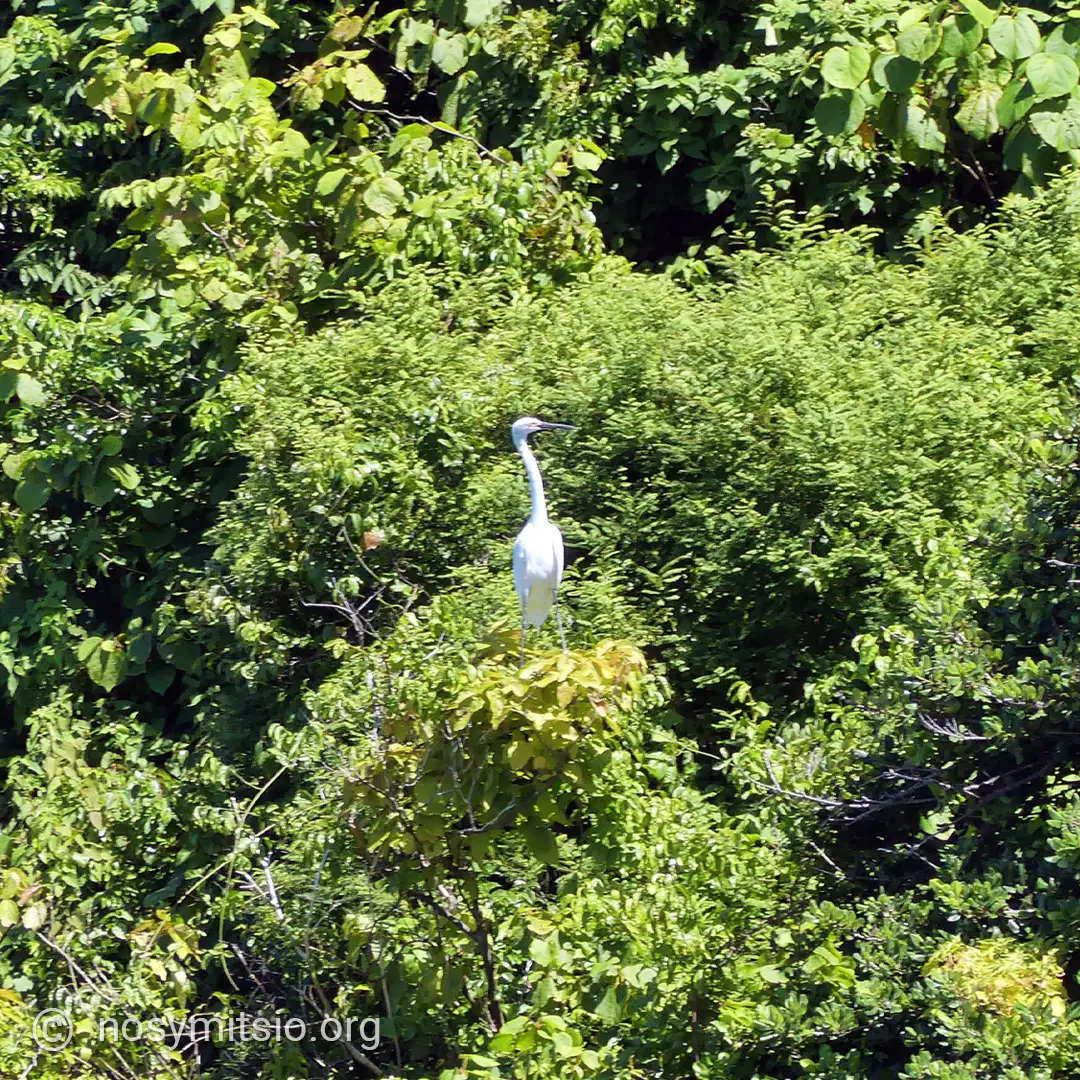
Dimorphic Egret
Egretta dimorpha
This species has a remarkable characteristic: three plumage variations coexist within the same populations. Some individuals have entirely white plumage, others a pale grey hue, whilst the most common form has dark grey to blackish plumage, often marked by a white throat. Regardless of colouration, all specimens have a black bill, black legs and bright yellow toes.
Let’s help to preserve these remarkable creatures for future generations.
Birds of Prey
The Ankoay, the Madagascar White-tailed Eagle
Haliaeetus vociferoide
The archipelago is home to the Ankoay, the Malagasy name for the Madagascar White-tailed Eagle, a bird of prey endemic to the western coastal regions of Madagascar and one of the world’s most endangered birds of prey. With a wingspan of up to 1.60 m and a body height of around 60 cm, it is a bird of remarkable size, with females consistently larger than males.
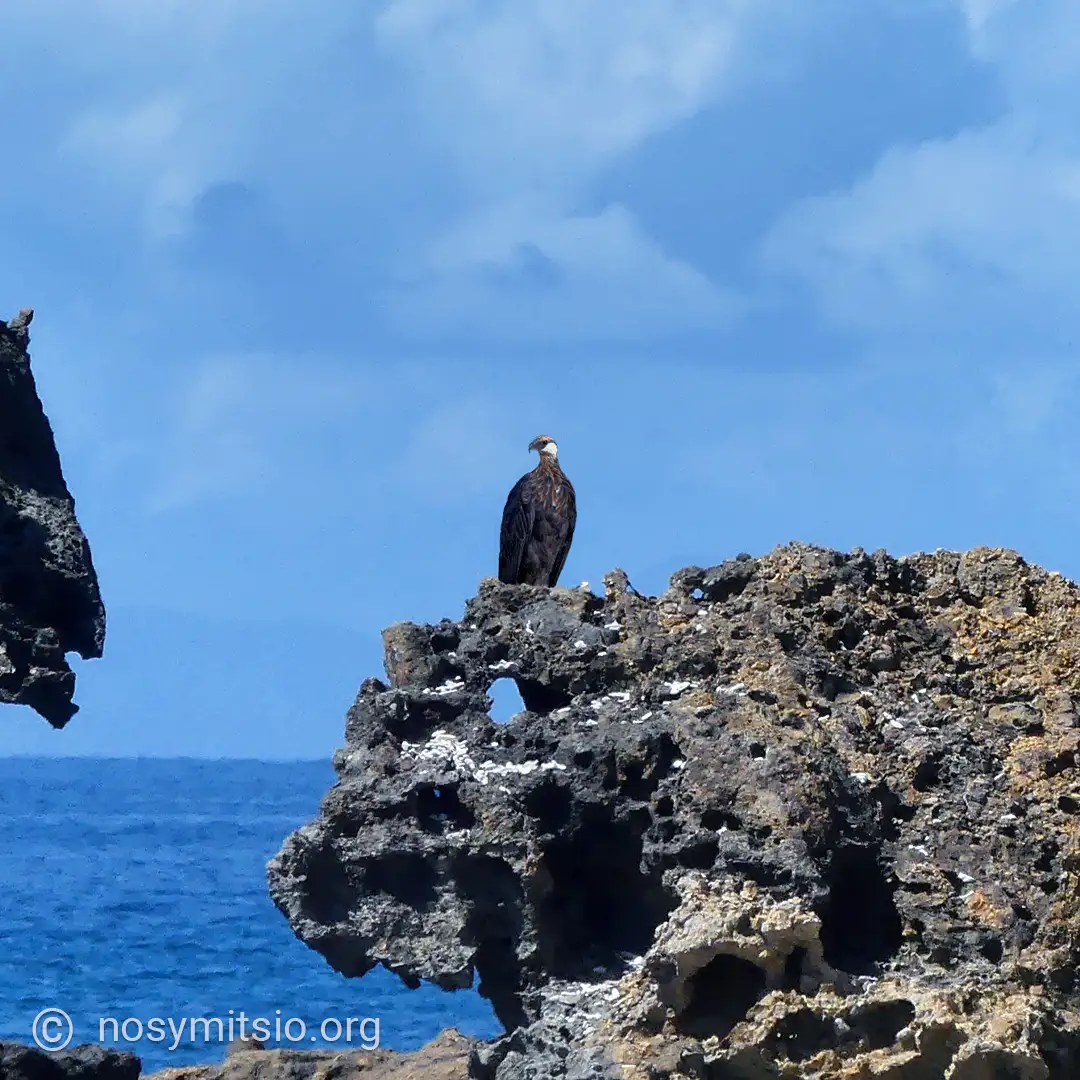
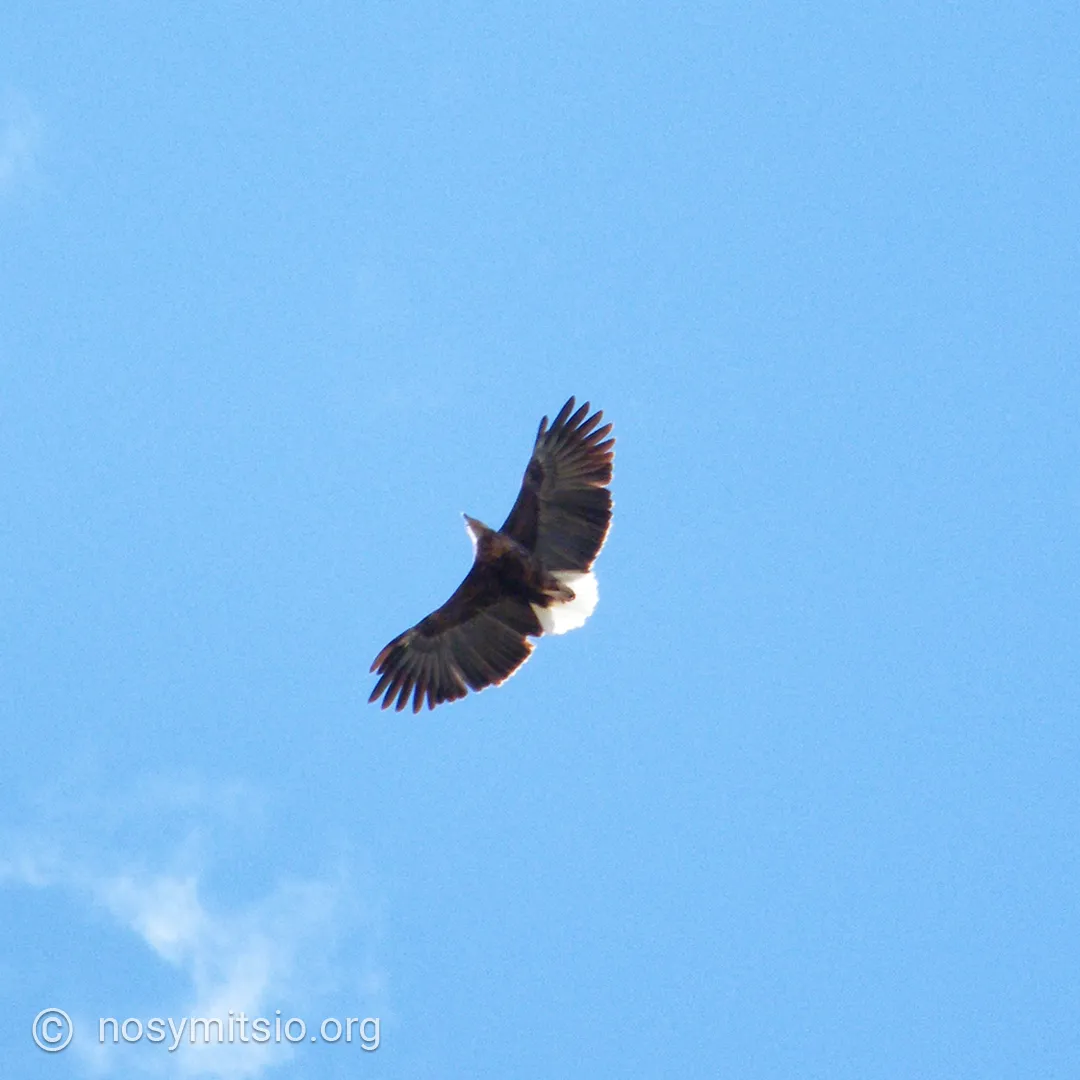
Like all Accipitridae – a family found on every continent except Antarctica – it possesses keen binocular vision, a hooked beak adapted for tearing flesh, and four curved talons for capturing its prey. Monogamous, its chicks are born covered in down and remain in the nest. Although it is a coastal bird of prey rather than a seabird in the strict sense, it is entirely at home here: as the region’s emblem, it is most recognisable by its powerful, melancholic call, and individuals on the north-west coast have developed a distinctive behaviour: unlike their inland counterparts, which fish in freshwater, they hunt reef fish at the surface, like true seafarers.