


Flora
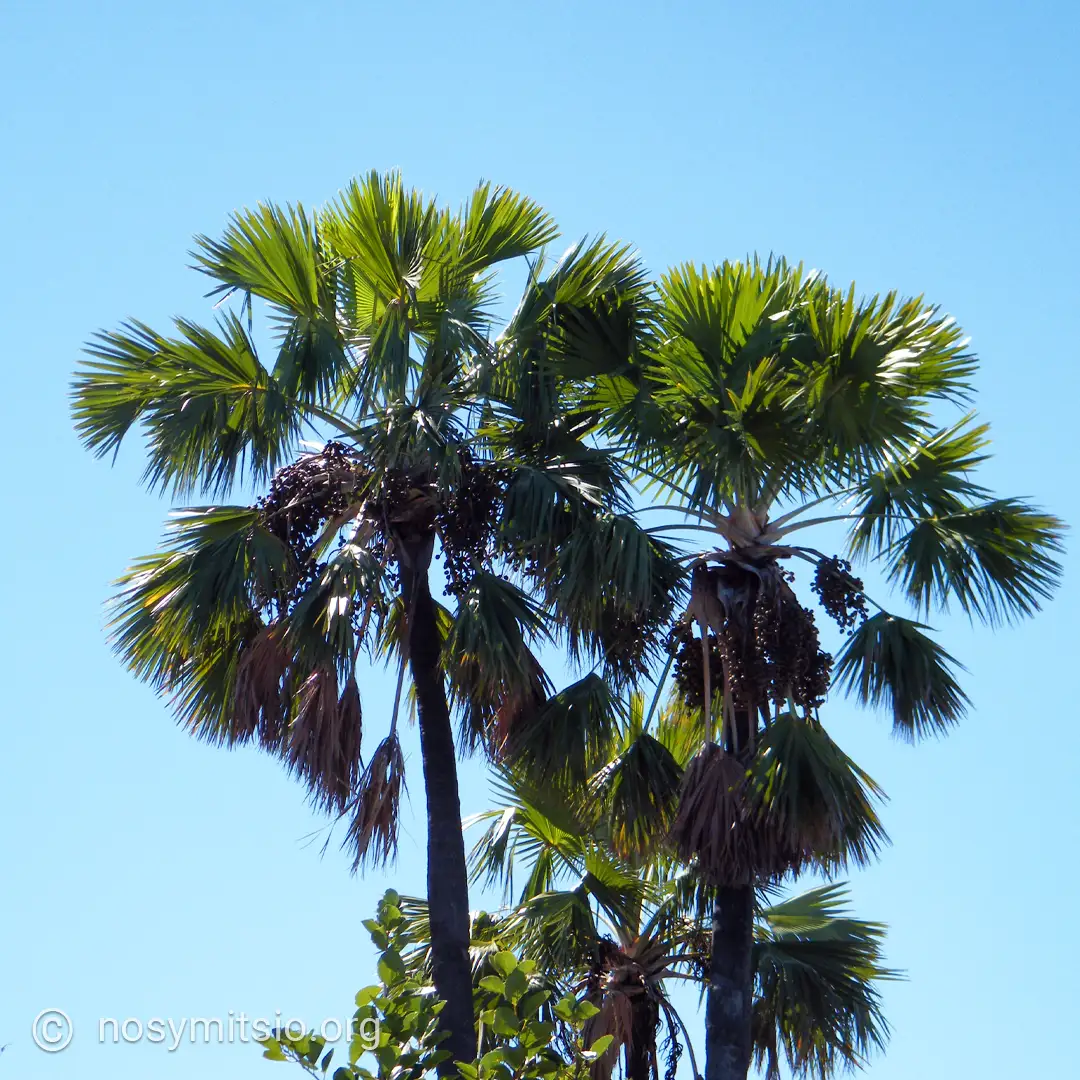
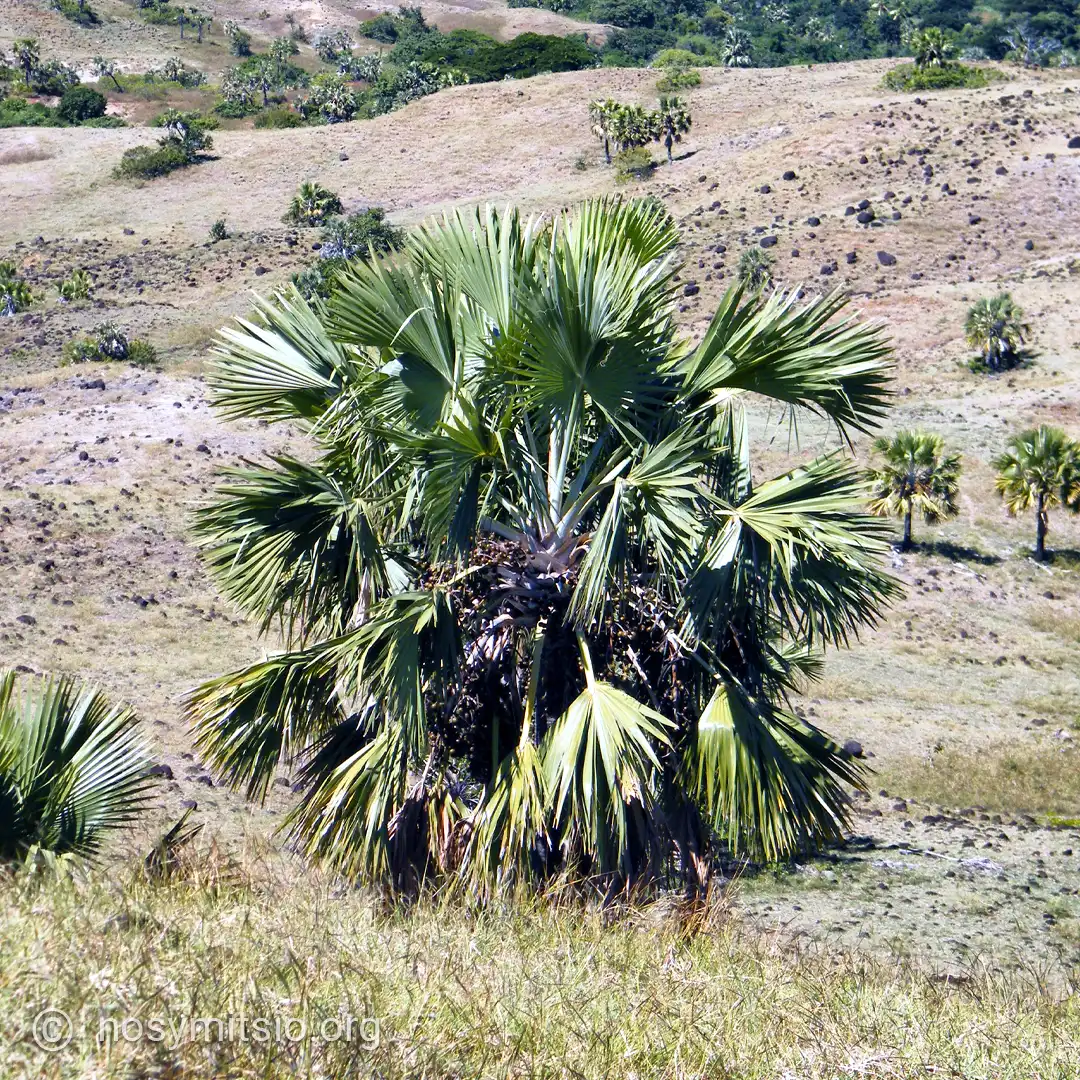
The archipelago boasts a fascinating diversity of plant life, reflecting its climate and varied landscapes. Among the most remarkable species are the majestic Bismarckia nobilis palms, which stand proudly, their distinctive silhouette lending an iconic touch to the landscape.
The drier areas are dominated by succulent euphorbias, perfectly adapted to arid conditions thanks to their ability to store water. On the rocky slopes, Hildegardia adds a unique botanical feature, bearing witness to the distinctive evolution of the local flora.
Baobabs, symbols of resilience, dot certain areas, lending a spellbinding quality to the vegetation.
Along the beaches, coconut palms shape the landscape, providing shade and coolness.
Finally, robust shrubbery, adapted to the dry climate, completes this natural picture, creating a harmonious balance that withstands the island’s environmental challenges.
The satrana palm
Bismarckia nobilis
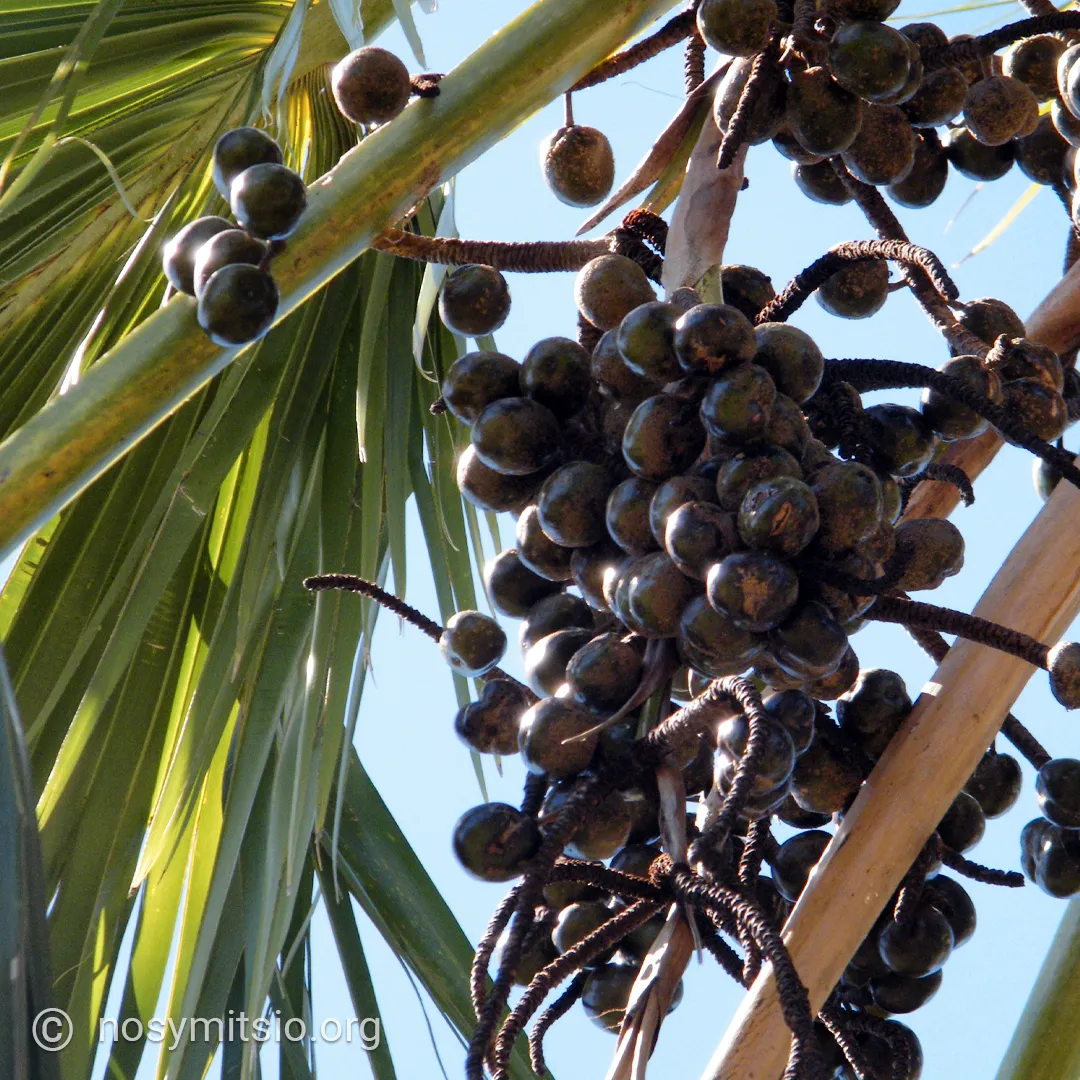
Bismarckia nobilis, known locally as satrana, is the sole species of the genus Bismarckia. This palm, endemic to Madagascar, belongs to the Arecaceae family.
This palm demonstrates a high resistance to savannah fires, a recurring phenomenon in Madagascar. This unique characteristic enables it to dominate the vegetation in areas where few other tree species survive.
Botanical Characteristics
The architecture of this palm is impressive in its proportions. The trunk has a smooth, grey surface and can reach a height of up to 25 metres in specimens several decades old, with a diameter of 30 to 45 centimetres. The crown consists of massive, rigid and leathery costapalmate leaves, forming fans.
Traditional Uses
Bismarckia nobilis plays a central role in traditional Malagasy construction. The large, fan-shaped fronds, once dried, form a natural roofing material resistant to tropical rainfall. The process involves layering the leaves using a local technique to ensure the roofs are watertight. The trunk can also be split lengthways and flattened to create panels used as partitions or flooring.
Local crafts also make use of the fibres extracted from the fronds to produce woven items: carrying baskets, mats for resting, storage baskets and other everyday utensils. This diverse range of uses makes the satrana an essential resource for island communities.
Pachypodium
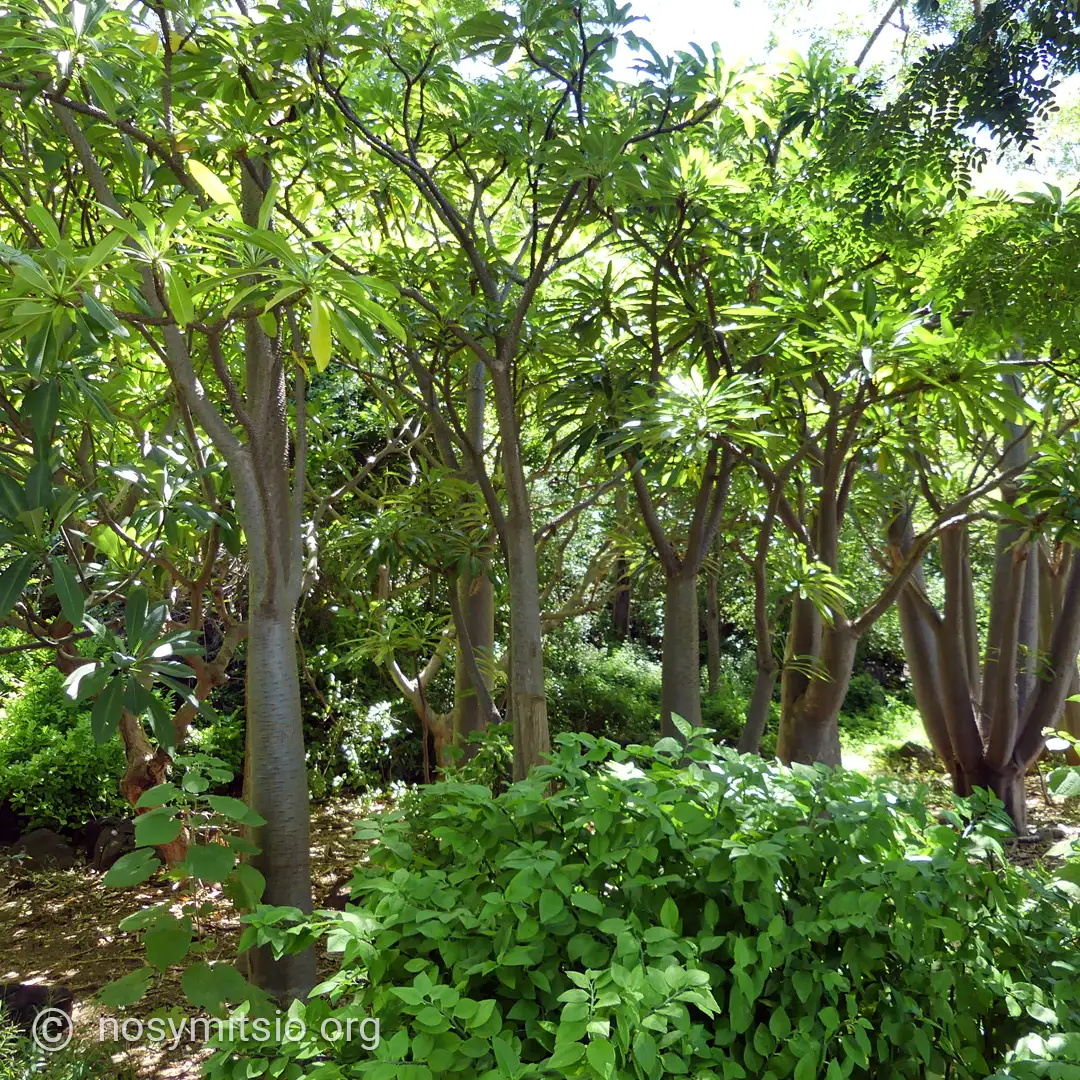
Bottle trees
I Pachypodium rappresentano un genere botanico emblematico del Madagascar. Queste piante succulente hanno sviluppato una notevole capacità di immagazzinare acqua nei propri tessuti.
They can be seen, in particular, during hikes on the Grande Mitsio as well as at Ankarea.
Il tronco è caratterizzato da una forma rigonfia e da una superficie rugosa che si accentua con la maturità della pianta. Questa morfologia costituisce un adattamento agli ambienti aridi che consente la sopravvivenza durante i lunghi periodi di siccità tipici del nord-ovest del Madagascar.
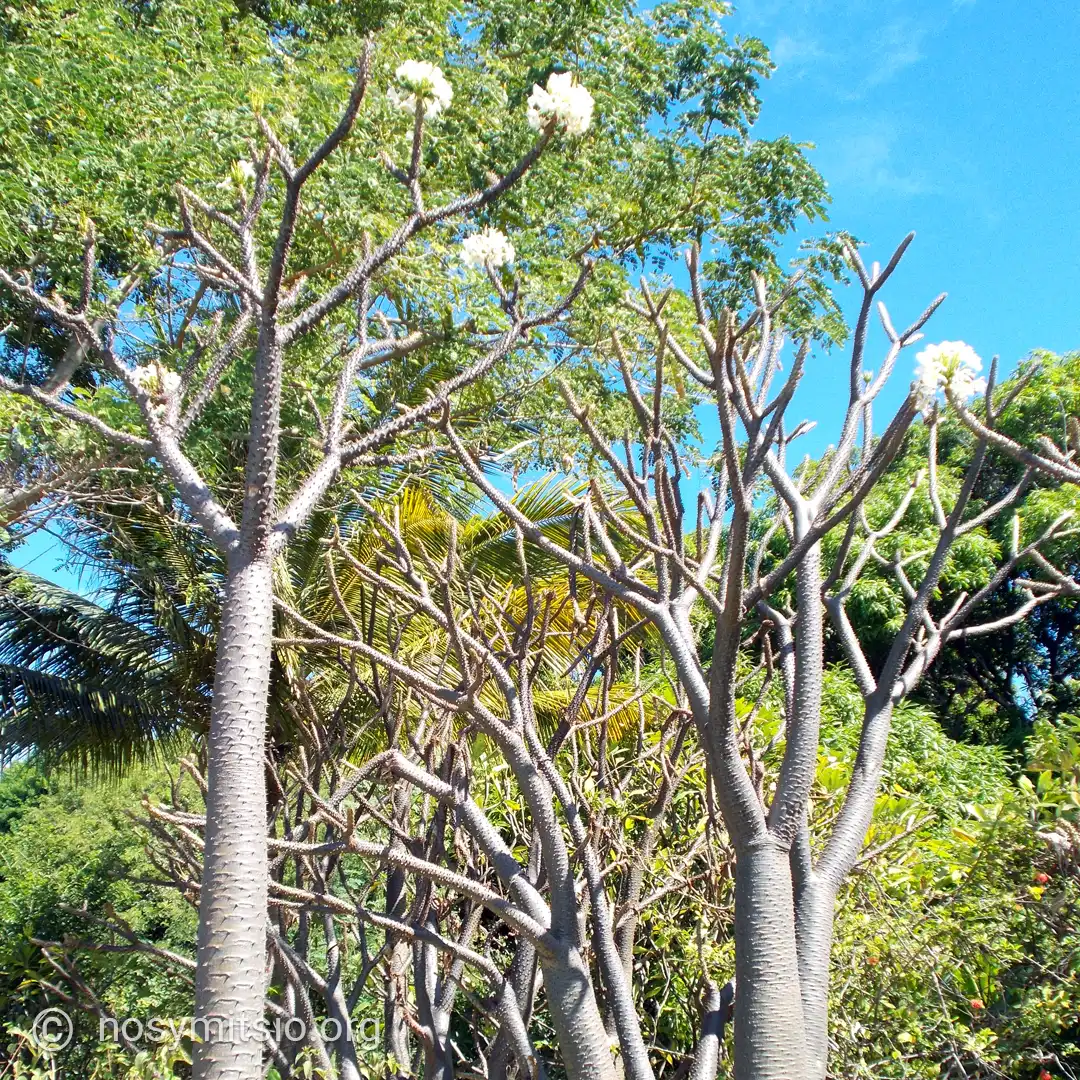
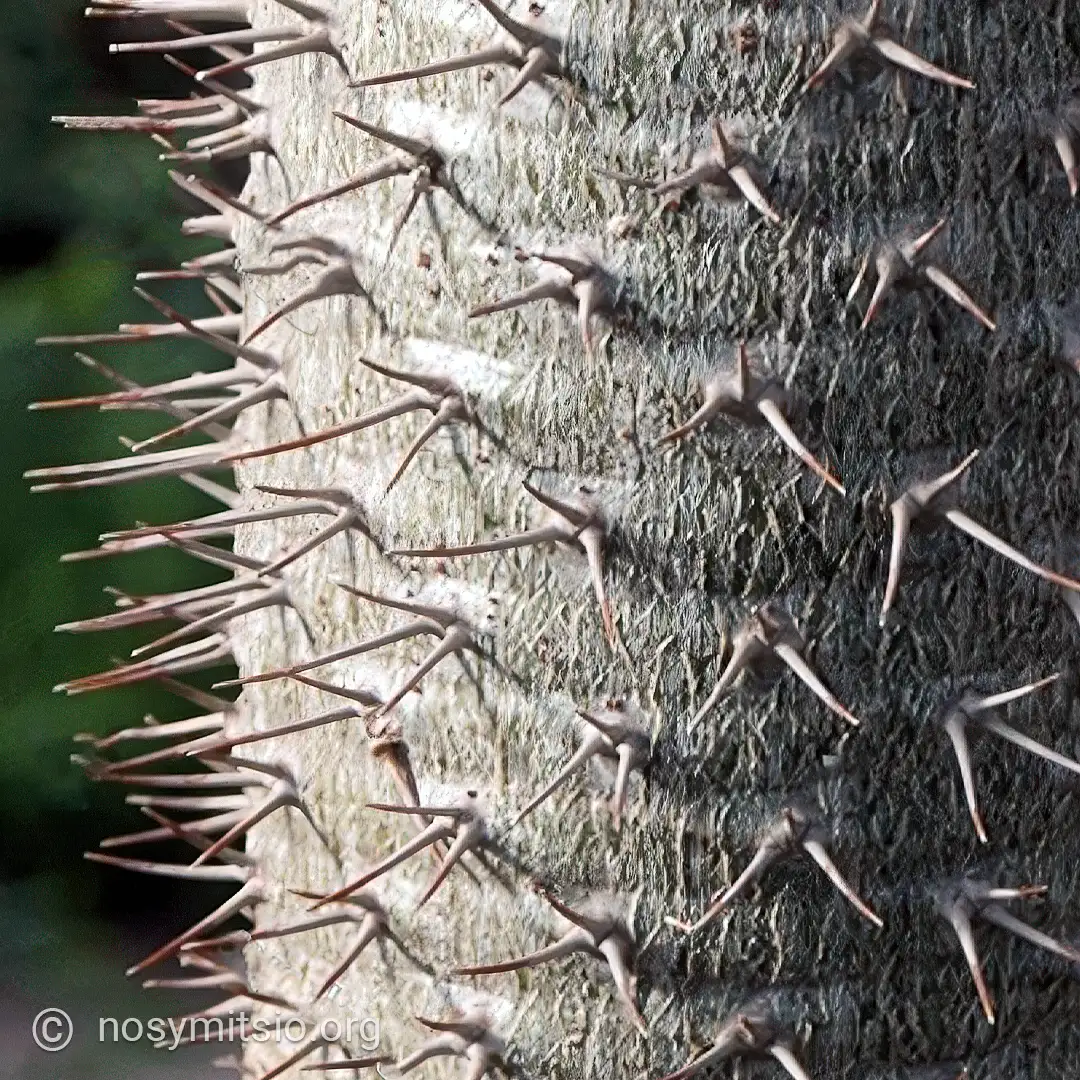
A physical defence system protects these plants. The trunk bears numerous spines arranged in groups of two or three, each attached to a wart-like protrusion on the bark. These spiny structures can measure several centimetres in length and effectively deter herbivores and human harvesting.
Baobab
Adansonia
These trees develop a characteristic swollen trunk, the spongy tissue of which stores considerable amounts of water – an essential adaptation to arid environments. Their structure is characterised by thick branches forming a flattened crown, giving them a distinctive silhouette. The fibrous bark regenerates naturally after injury.
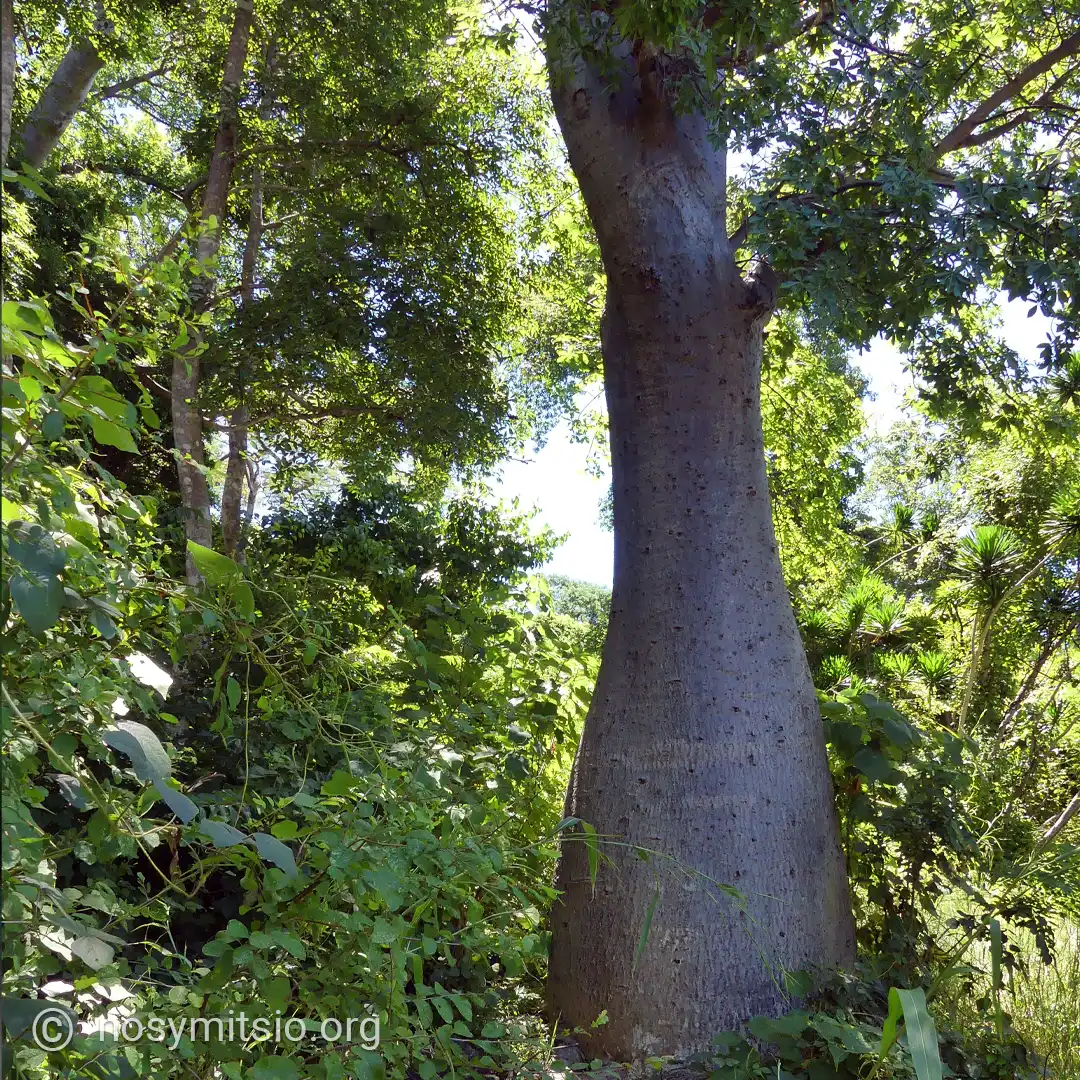
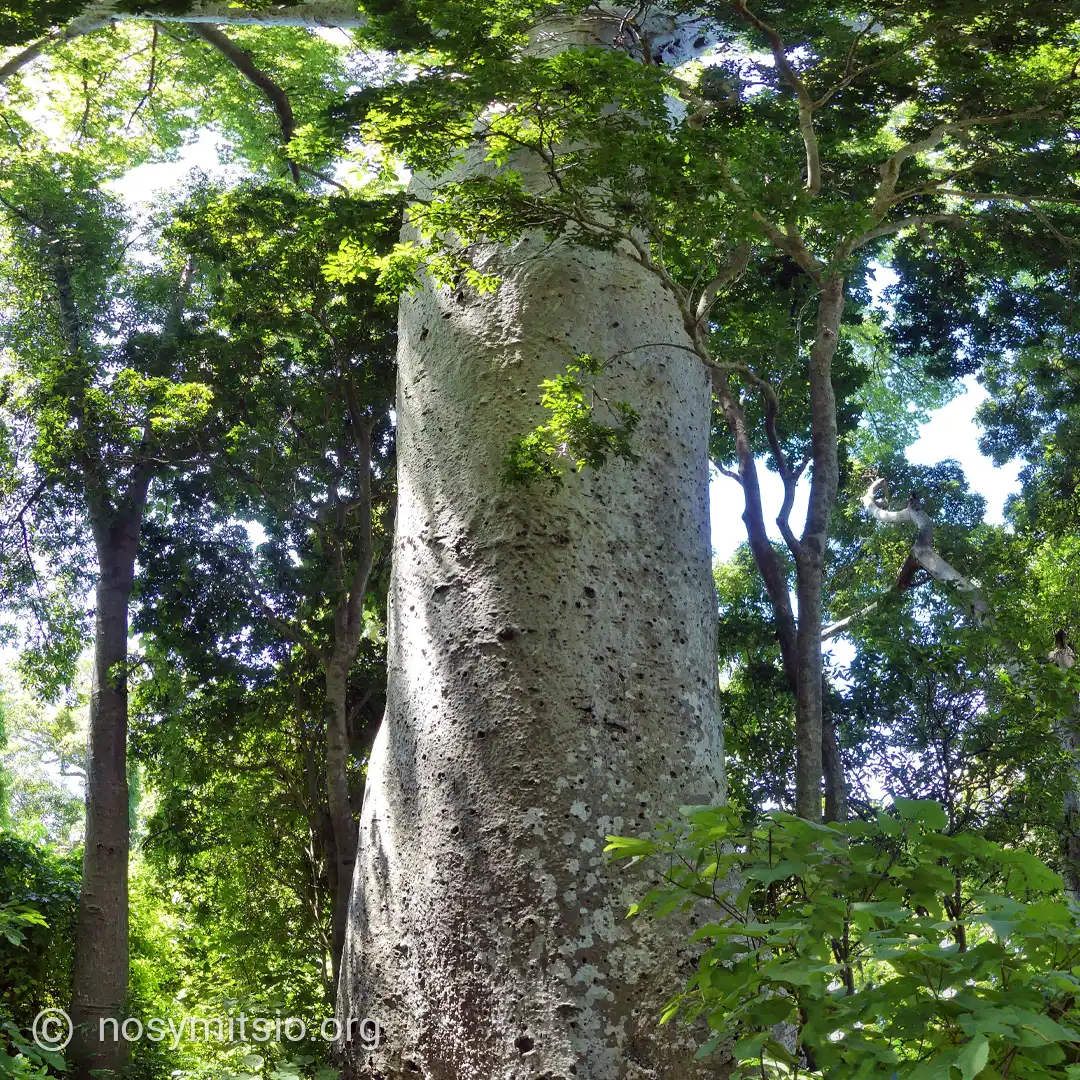
These deciduous trees shed their leaves during the dry season to minimise water loss. Their exceptional longevity, which can exceed a thousand years, makes baobabs ecosystems in their own right, harbouring remarkable biodiversity.
To prepare for your visit to see this unique flora, check out our practical information for your stay.