


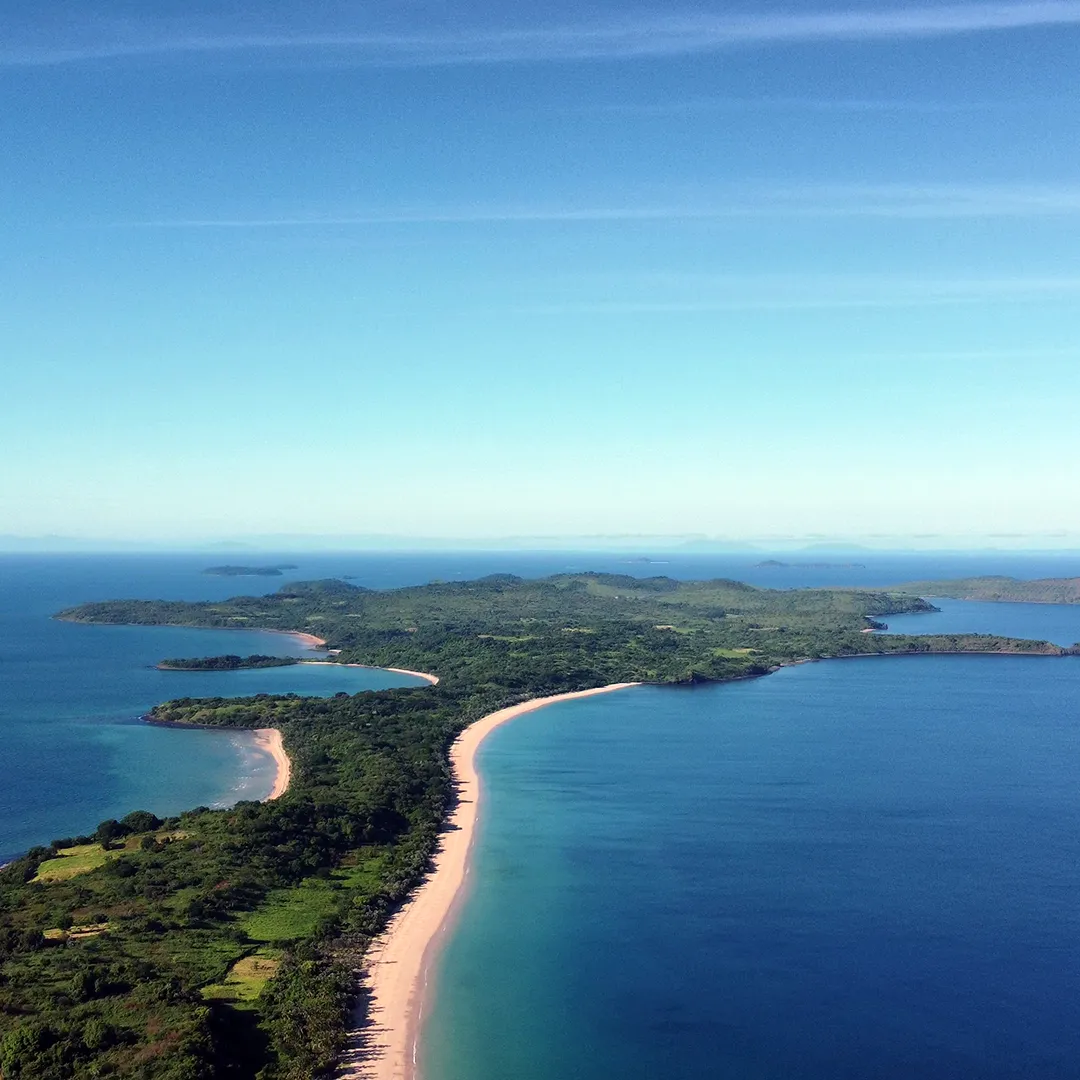
The Nosy Mitsio archipelago is a haven of unspoilt nature in Madagascar. Far from the tourist hustle and bustle of Nosy Be, these islands offer an experience of rare authenticity.
However, this wild beauty comes at a price: isolation. To make the most of your adventure and respect this fragile ecosystem, a minimum of preparation is essential. This guide brings together all the essential information.
Climate / Weather
Although close to Nosy Be, the climate on Nosy Mitsio is somewhat different. Due to its geographical location, far from the coast and mountains of Madagascar, as well as its significant exposure to the winds, the archipelago enjoys a drier climate. Temperatures are warm all year round, ranging between 25°C and 30°C, or even higher. As for the water temperature, it varies between 25°C and 29°C.
As this boat trip is less popular than the very popular Iranja, Komba or Tanikely routes, and as the archipelago is remote from the coast, maritime traffic there is limited. It is therefore essential to choose a reputable operator who can ensure good weather conditions and a safe crossing.
Climate & best time to visit
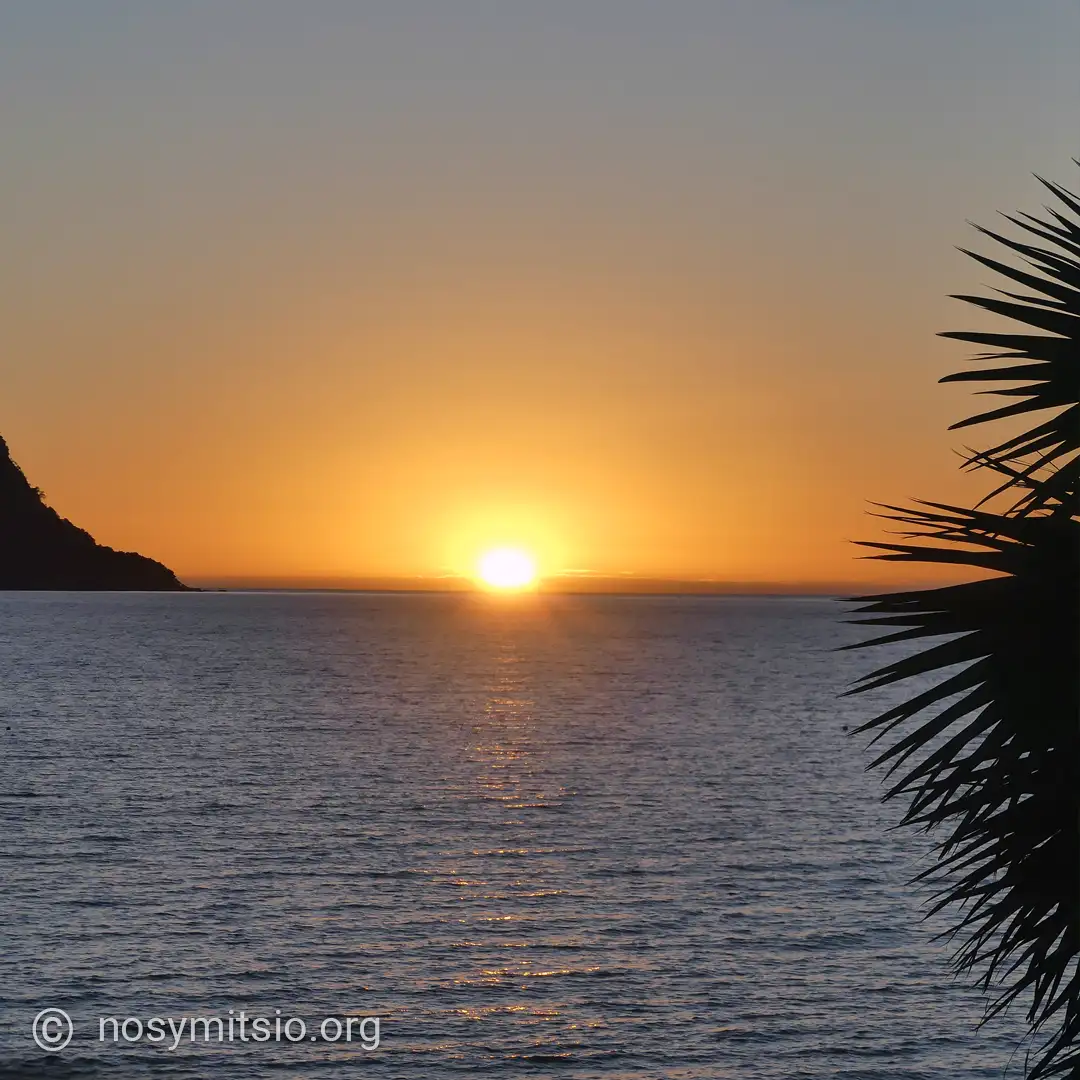
Dry season (April to October): This is the ideal time to visit the archipelago. The south-easterly trade winds keep the air cool, the sea is calm and underwater visibility is excellent. Temperatures range from 22°C to 30°C.
Rainy season (November to March): Cyclones can affect the region, mainly between January and March. Some accommodation providers close during this period. The sea is rougher and boat transfers are more difficult.
Health
Consult your doctor or an international vaccination centre at least 6 weeks before departure. The usual precautions for Madagascar apply:
Malaria: anti-malarial treatment is recommended. The Diana region (northern Madagascar) is considered to be at risk.
Recommended vaccinations: hepatitis A, hepatitis B, typhoid, tetanus. Check that your booster jabs are up to date.
Water: never drink tap water. Opt for bottled or filtered water.
Sun: UV levels are very high. Coral-friendly (organic) sun cream, a hat and sunglasses are essential.
First-aid kit: bring a comprehensive first-aid kit, as medical facilities are virtually non-existent on the archipelago.
Currency & budget
The national currency is the Malagasy ariary (MGA). Euros and US dollars are accepted in many tourist establishments, but it is advisable to carry cash in ariary for local transactions.
Cash machines: there are none on the archipelago. Withdraw cash in Nosy Be or Antsiranana before you set off.
Bank cards: not accepted on the islands. Some lodges may arrange payments by bank transfer or in foreign currency; please enquire when booking.
Approximate budget: Nosy Mitsio is a luxury or adventure destination. Allow for a generous budget, particularly for boat transfers and water sports.
Discover our various vacation packages, ranging from camping to luxury lodges, so you can choose the one that fits your budget.
What to bring
The archipelago is a wild and unspoilt destination. Come prepared!
For the sea and diving:
For hikes and excursions:
- Cross-country or hiking trainers and flip-flops.
- Lightweight, breathable clothing.
- Lightweight raincoat (even in the dry season, showers are possible).
Essentials:
- Head torch (power cuts are common).
- Mosquito repellent.
- Personal medication.
- Waterproof camera or waterproof case.
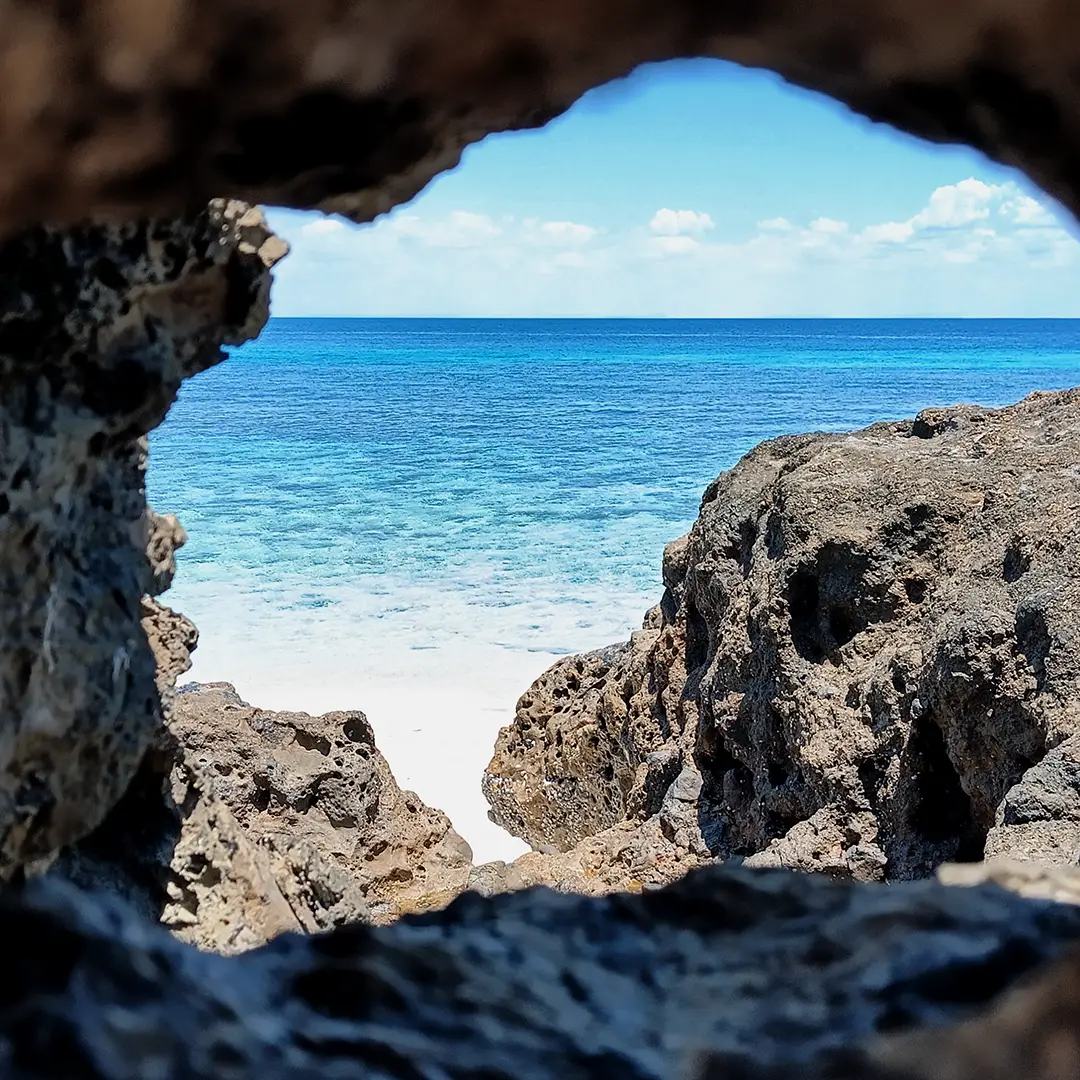
Pristine beaches
Let yourself be swept away by the purity of the sceneryConnectivity & mobile network
Mobile network coverage across the archipelago is very limited, and non-existent on some islands. Be prepared to go offline – this is, in fact, one of the joys of Nosy Mitsio.
Mobile network: Telma and Airtel Madagascar offer partial coverage on Grande Mitsio, but there’s no guarantee of a signal depending on the area.
Internet: some lodges have a satellite internet connection. Check directly with your accommodation.
Tip: download your maps offline (Maps.me or Google Maps in offline mode).
Language & local culture
The official language is Malagasy, alongside French (widely spoken in tourist and administrative circles). English is understood in upmarket establishments.
Some useful words in Malagasy:
Mboalatsara: Hello
Misaotra: Thank you
Azafady: Please / Excuse me
Tsara: Good / That’s fine
The inhabitants of the archipelago are mainly fishermen. It is essential to respect their traditions and way of life.
Environmental rules
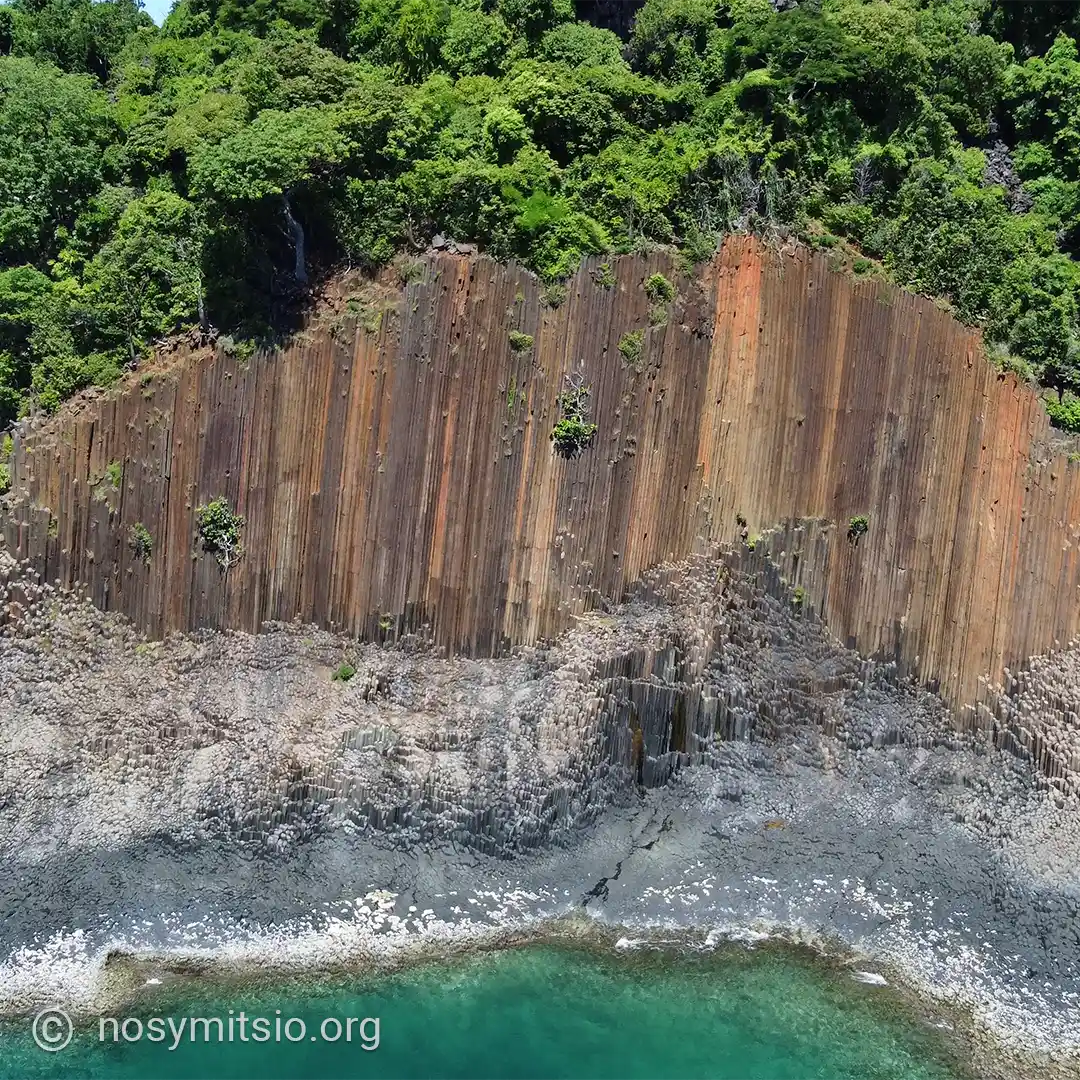
Nosy Mitsio is an area of exceptional biodiversity. Every visitor has a responsibility to preserve it:
Do not take anything: shells, corals, plants or rocks. Taking anything is prohibited and harms the ecosystem.
No litter: take all your rubbish with you, including cigarette ends. There is no waste collection system on the uninhabited islands.
Use biodegradable sun creams only: chemical filters destroy coral reefs.
Keep your distance from wildlife: do not approach, feed or touch wild animals such as sea turtles, rays, dolphins or birds.
Fires are prohibited outside the areas designated for this purpose by your tour operator.
Respect for the Fady:
The Fady (Taboos): Respect local customs. Always ask for permission before photographing anyone or entering certain mountain peaks or caves.
The Nosy Mitsio archipelago owes its beauty to decades of isolation. Your behaviour over the course of a few days can help to preserve it for generations to come.
Excursions
Set off to explore the Nosy Mitsio archipelago, with its crystal-clear waters, unspoilt beaches and pristine landscapes.


